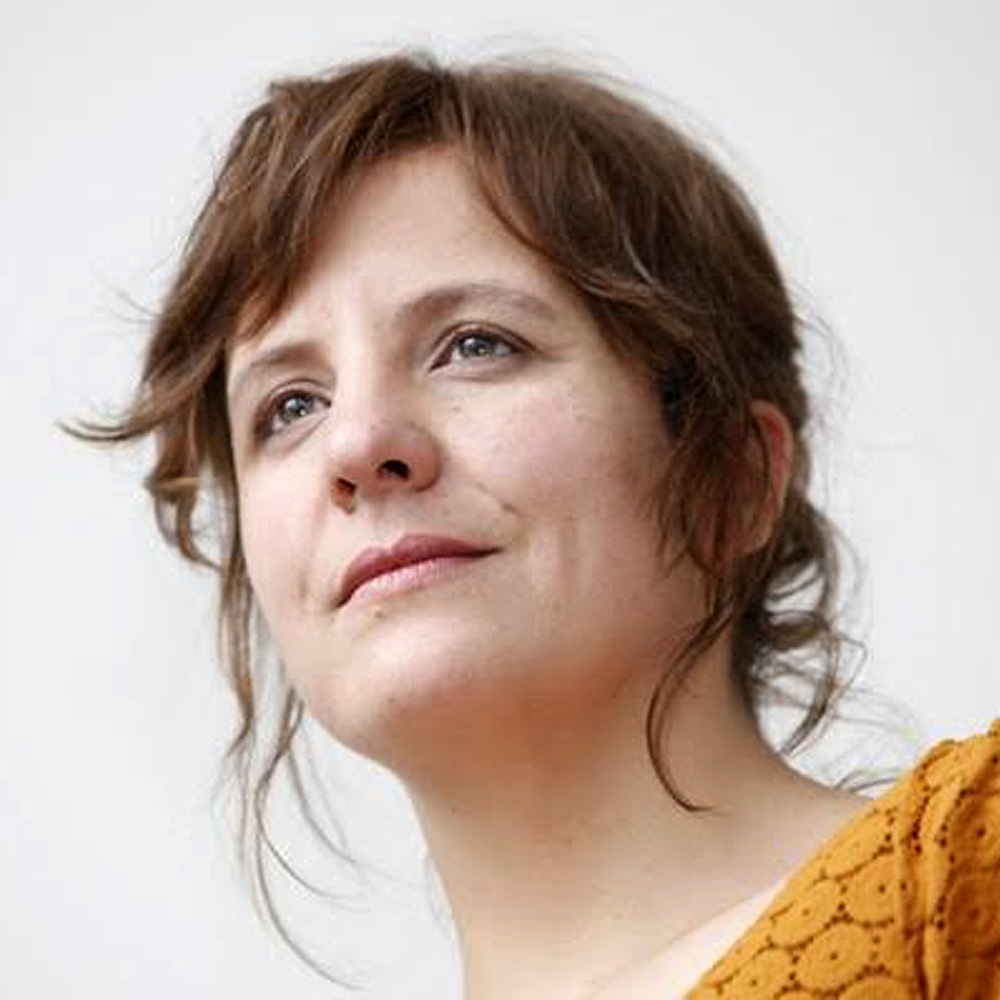
A journey with Irene Cardona through some of the ways documentary cinema has challenged traditional forms of representation, arriving at contemporary perspectives on the body, desire, and identities.
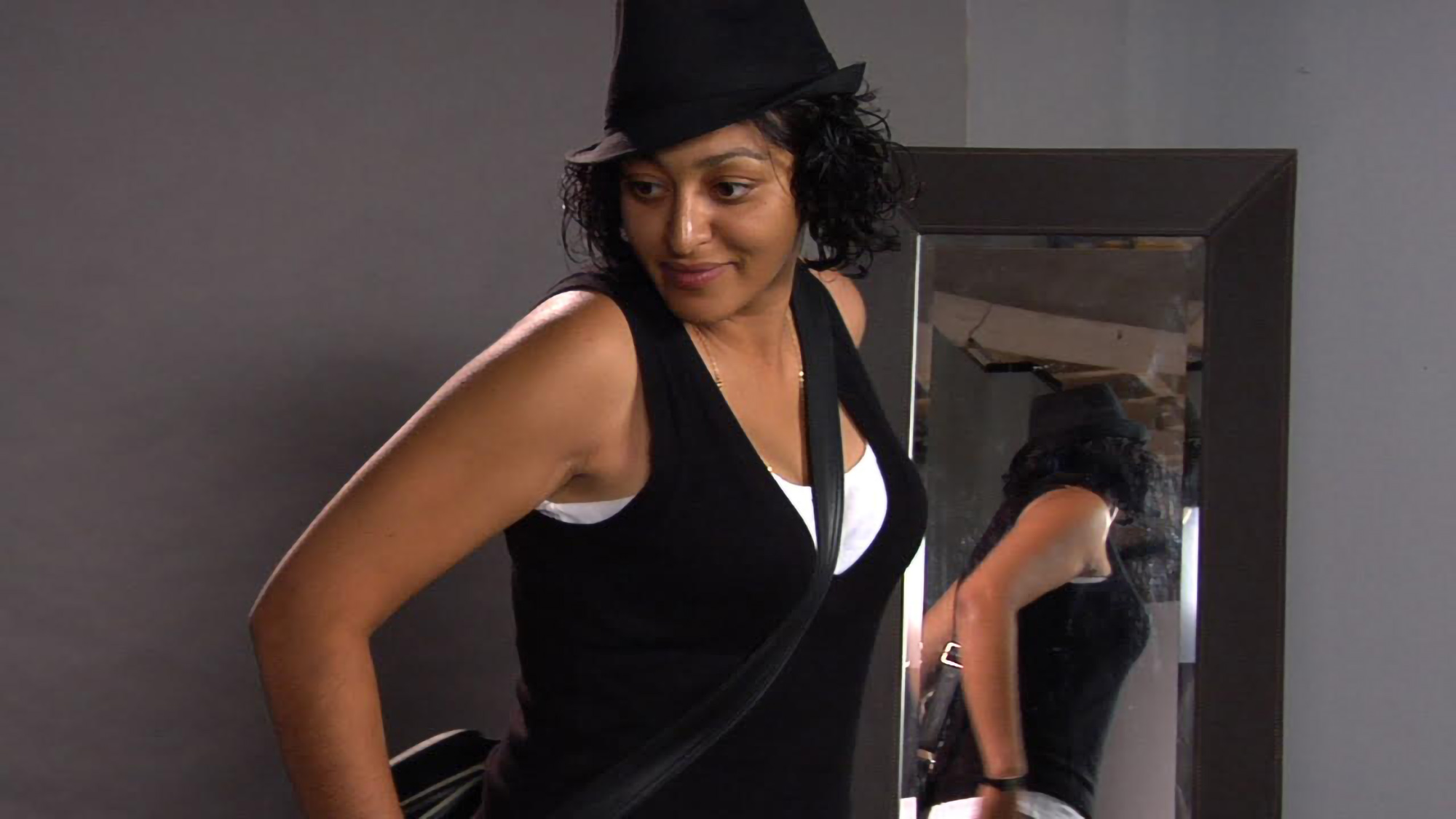
A journey with Irene Cardona through some of the ways documentary cinema has challenged traditional forms of representation, arriving at contemporary perspectives on the body, desire, and identities.
Who films whom? The body before the camera
Drawing from selected works by the director, we will explore the types of relationships we establish when filming other people or ourselves. Who looks, who is being looked at, and from what position? How do gender, identity, or culture influence what we decide to show? What does it mean for a filmmaker to step away from the privileged position of the observer and narrator to put themselves in front of the camera?
This session proposes a journey through some of the ways documentary cinema has challenged traditional forms of representation, arriving at contemporary perspectives on the body, desire, and identities.
We will analyze the decisions we make when placing the camera, our relationship with the people we film, and the possibilities offered by tools such as self-portraiture or performance.
Entry Form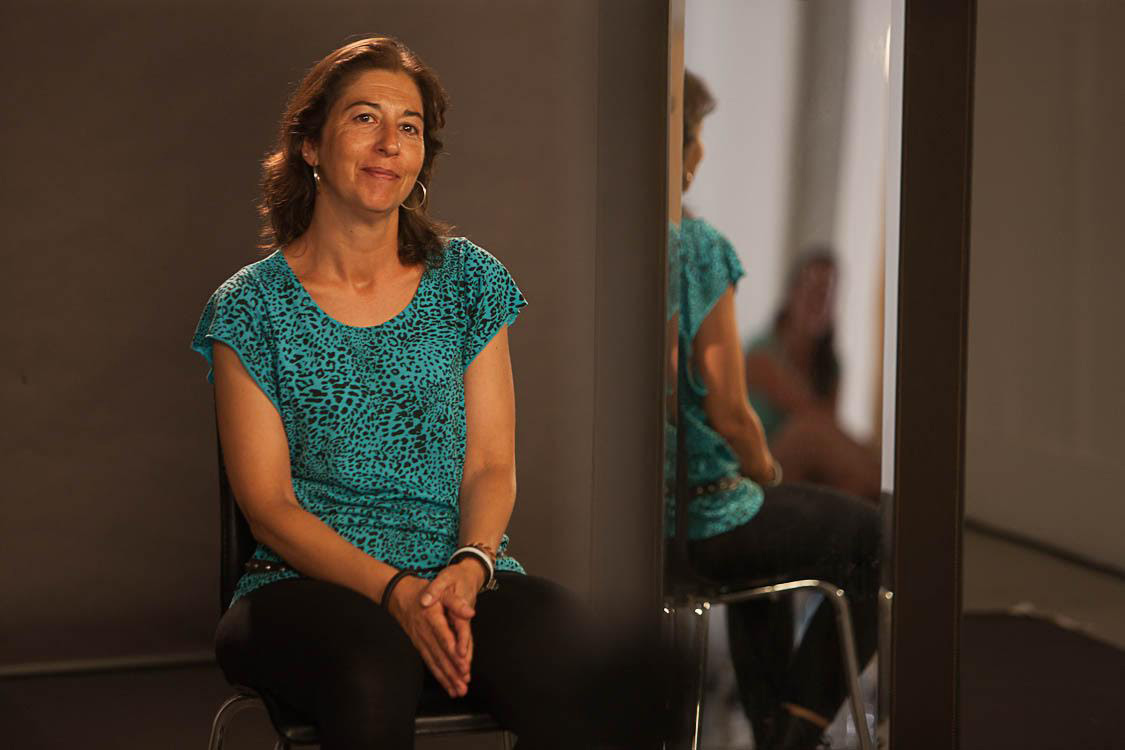
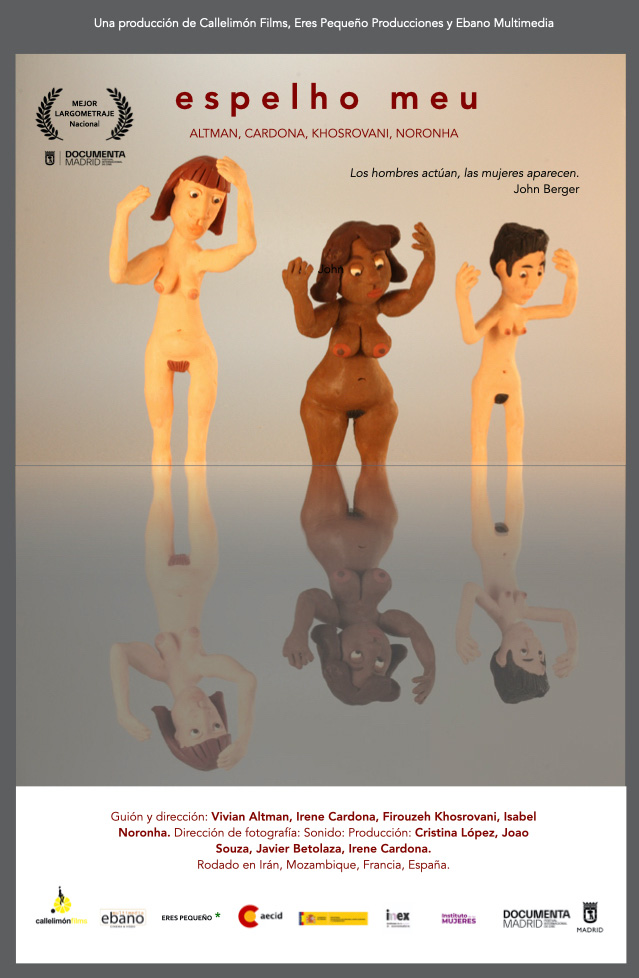
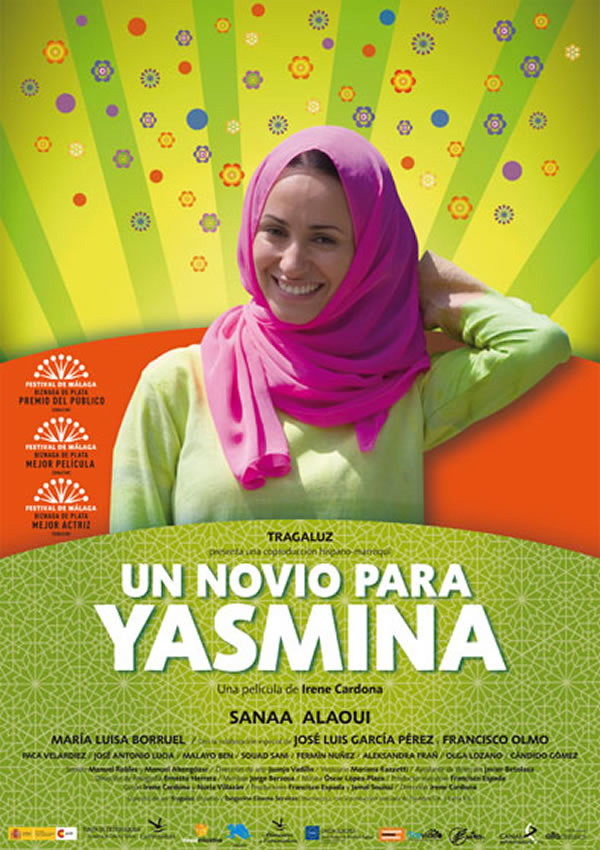
Irene Cardona was nominated for the Goya Award for Best New Director for her narrative feature film Un novio para Yasmina, which won three Silver Biznagas (Best Picture, Audience Award, and Best Actress) at the Málaga Film Festival, the Borau Foundation Award for Best Debut Feature at the Nantes Spanish Film Festival, and the Audience Award at the Montpellier Mediterranean Film Festival, among others. The documentary Espelho meu (2011) is a collective work shot alongside three other female filmmakers from Brazil, Iran, and Mozambique, exploring the cultural construction of women's image. Among other honors, it won the Award for Best National Film at DOCUMENTAMADRID. She has written and directed the short films Varada, La cigüeña, and Amigas íntimas, as well as a documentary series on the Spanish Civil War in Extremadura. She served as screenwriter and assistant director for the documentary Escuela viva, focusing on pedagogical renewal initiatives in the 1970s. She worked as a screenwriter for the TVE show Versión española and created video projections for operas—including Hansel y Gretel, El público, and La ciudad de las mentiras, premiered at the Teatro Real in Madrid—as well as other stage productions. Irene graduated in film directing from the International Film and Television School (EICTV) in Cuba, holds a degree in Audiovisual Communication from the Complutense University of Madrid (UCM), and trained as an actress at the Estudio Corazza para el Actor. Her documentary Las voces was selected for the Spanish Film Academy Residencies. She is a member of the Spanish Film Academy and the Extremadura Film Academy, and a member of CIMA and DOCMA, where she currently serves as president. Callelimon Films